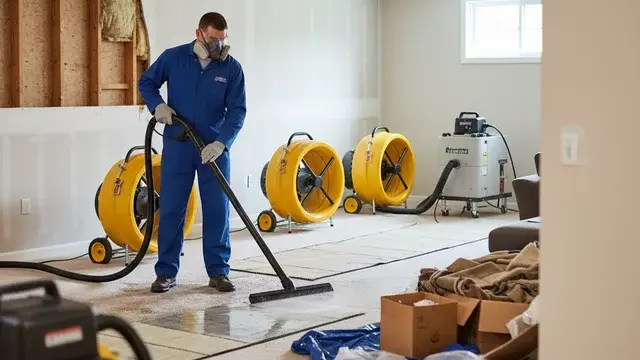
The water damage you cannot see is often worse than the water damage you can. Crawlspaces and basements are the two places where water damage hides most effectively — and by the time most homeowners discover the problem, the damage has had time to compound. Here is what to know about crawlspace and basement water damage in Red Oak.
Why These Spaces Are Problem Areas
Crawlspaces and basements share several characteristics that make water damage more likely and more serious:
- Below-grade or close to ground level — water flows downward
- Often poorly ventilated with naturally high humidity
- Typically not part of regular inspection routine
- Plumbing and HVAC run through these areas
- Foundation issues express themselves here first
Common Causes
Water gets into crawlspaces and basements from several sources:
- Foundation leaks during storms
- Sump pump failures
- Sewer line backups through floor drains
- Plumbing leaks in pipes running through the space
- HVAC condensate line failures
- Groundwater intrusion during wet seasons
- Water heater or utility equipment leaks
Warning Signs
You may have a hidden water problem if you notice:
- Damp smell in the rooms above
- Sagging or soft spots in first-floor flooring
- Increased humidity in the house
- Cold floors
- Musty odor from floor vents
- Visible mold on first-floor baseboards
- Rust on HVAC ductwork or utility equipment
Why Damage Compounds
Unaddressed crawlspace or basement water damage causes cascading problems:
- Wood framing begins to rot
- Insulation loses effectiveness as it absorbs water
- Mold colonies develop and spread
- Termites and pests are attracted to damp wood
- Floor supports weaken over time
- Humidity rises into the living space
- HVAC equipment corrodes and fails
Why DIY Does Not Work
Homeowners often try to handle crawlspace or basement water themselves. Common problems:
- Confined-space safety hazards
- Inability to reach all areas of a crawlspace
- Household pumps and fans are insufficient for the volume
- High ambient humidity defeats consumer dehumidifiers
- Insulation damage is often missed
- Mold prevention is typically skipped
Professional Approach
Good Fellas Restoration handles crawlspace and basement water damage with:
- Submersible pumps for deep water removal
- High-capacity commercial dehumidifiers
- Proper confined-space safety protocols
- Inspection of framing, insulation, and vapor barrier
- Removal and replacement of damaged materials
- Moisture verification before closeout
- Mold prevention and treatment as needed
Preventing Future Problems
Steps to reduce crawlspace and basement water risks:
- Inspect the space every few months
- Maintain gutters and downspouts
- Keep grading sloped away from the foundation
- Test sump pumps annually
- Inspect plumbing and HVAC equipment regularly
- Install water sensors with alarms in low areas
- Keep vapor barrier intact
Final Thoughts
Hidden water damage in crawlspaces and basements is common in Red Oak homes. Regular inspection and professional response when problems appear prevents the damage from compounding. Good Fellas Restoration handles crawlspace and basement water damage with the right equipment for confined-space work.