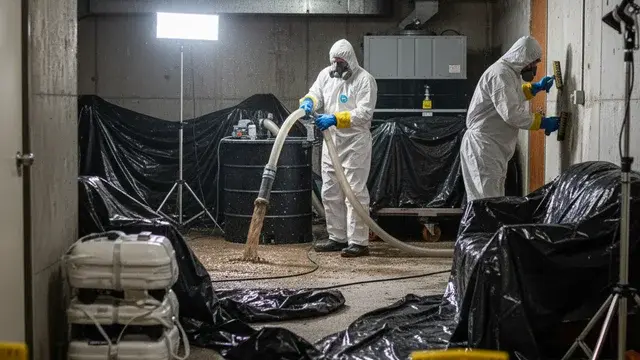
Sewage backup is the most hazardous water damage event a homeowner or business owner can face. Raw sewage contains dangerous bacteria, viruses, and parasites that cause serious illness. Unlike a burst pipe or roof leak, this is never a situation to handle yourself. Here is why sewage backup cleanup has to be professional — and what that work actually involves.
What Makes Sewage So Dangerous
Sewage is classified as category 3 water — the most contaminated category defined by the IICRC. It contains:
- Fecal bacteria (E. coli, Salmonella, Shigella)
- Viruses (Hepatitis A, Norovirus, Rotavirus)
- Parasites (Giardia, Cryptosporidium)
- Fungi and mold spores
- Chemical contaminants from soaps, cleaners, medications
Why DIY Sewage Cleanup Fails
Homeowners attempting DIY sewage cleanup face problems that professional teams are equipped to handle:
- No proper PPE (respirator, Tyvek suit, gloves, boots)
- Using equipment that will be cross-contaminated
- Inadequate disinfectants
- No proper disposal for contaminated materials
- Insufficient drying equipment
- No way to verify the area is safe afterward
Professional Sewage Cleanup Protocols
IICRC S500 standards for category 3 water cleanup specify:
- Full PPE for every worker entering the area
- Dedicated equipment reserved for sewage jobs only
- Plastic containment to prevent cross-contamination
- Removal of porous materials exposed to sewage
- Hospital-grade disinfectant treatment of remaining surfaces
- Professional drying with daily moisture monitoring
- Regulated disposal of contaminated waste
- Odor treatment at the molecular level
What Has to Come Out
Porous materials exposed to sewage cannot be effectively decontaminated. These are removed and disposed of as regulated waste:
- Carpet and carpet pad
- Drywall up to the waterline plus a margin
- Insulation
- Particleboard cabinets and furniture
- Fabric-upholstered furniture that sat in the sewage
- Subfloor that absorbed sewage
What Can Be Cleaned and Saved
Non-porous materials can often be cleaned and disinfected:
- Tile and sealed concrete floors
- Metal cabinets and fixtures
- Hard plastics and vinyl
- Sealed wood furniture (with appropriate cleaning)
- Glass and ceramics
Why Professional Documentation Matters
Beyond the cleanup itself, professional sewage cleanup provides the documentation insurance carriers require:
- Category 3 classification report
- Photos of the affected area
- Inventory of removed materials
- Disinfectant products used and contact times
- Moisture readings throughout the drying phase
- Post-cleanup verification
Insurance Coverage for Sewage Backup
Sewer backup typically requires a specific endorsement on your homeowners policy. If you have the endorsement, professional cleanup is usually covered. Without it, cleanup is an out-of-pocket expense — but it is still not safe to do yourself.
We recommend checking your policy for the sewer backup endorsement before you need it. It is usually inexpensive and prevents a very bad day from becoming worse.
Final Thoughts
Sewage backup is a legitimate health emergency. Do not attempt to clean it yourself. Call Good Fellas Restoration 24/7 for certified, safe, discreet sewage backup cleanup across Red Oak, TX and surrounding cities.